

Hydroponics and aquaponics: grow food in water
No soil? Salty or rocky ground? Tiny yard? You can still grow fresh greens in buckets, pipes and tanks of water. Add fish and the fish feed the plants.
What is it, and why does it suit Aotearoa?
Hydroponics means growing plants with their roots in water that has plant food (nutrients) dissolved in it. No soil. Aquaponics adds fish: the fish waste feeds the plants, and the plants clean the water for the fish.
- Works on a concrete slab, a roof, a verandah or over coral rock. Salty or poor soil doesn’t matter.
- Uses much less water than a soil garden, because the water is reused. Good with rainwater tanks.
- Leafy greens are often ready in 4 to 6 weeks, and you can grow all year in the warm weather.
- Fewer soil pests and weeds. But it needs a little daily care, and some systems need power.
🔍 How each system works
📷 What it looks like
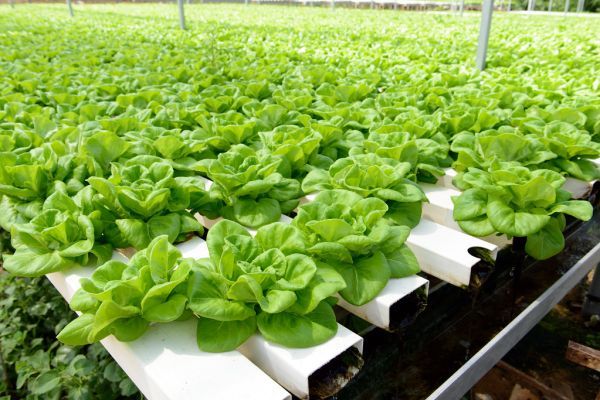
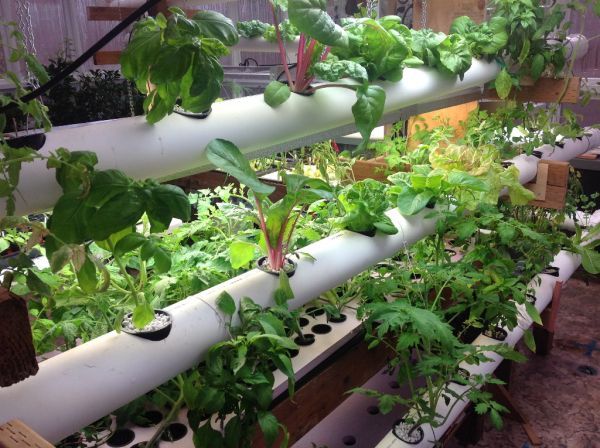
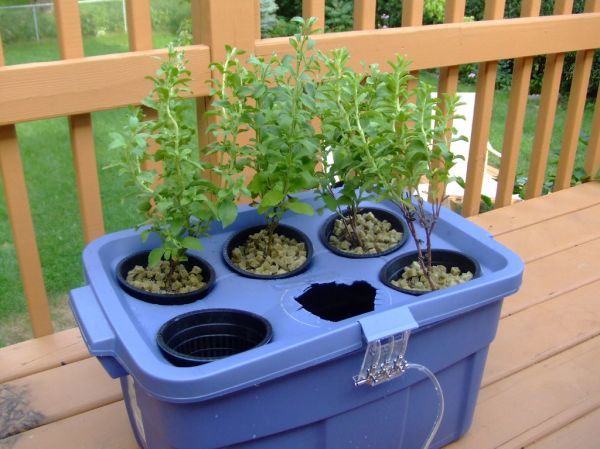
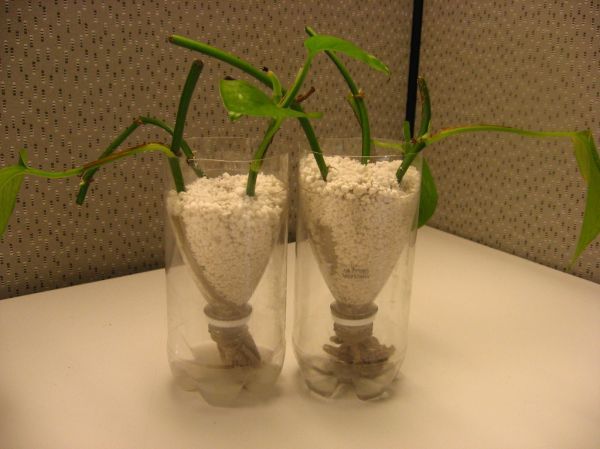
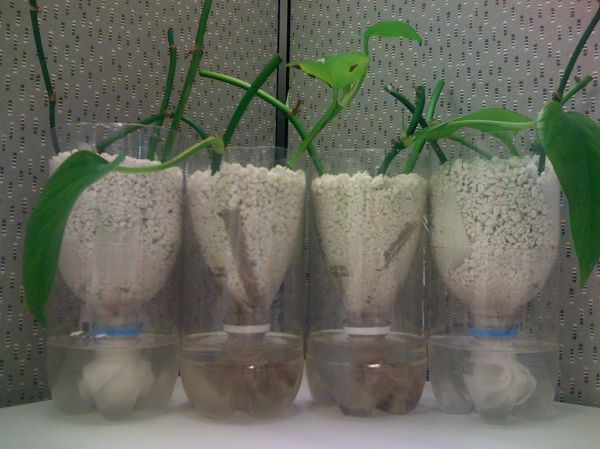
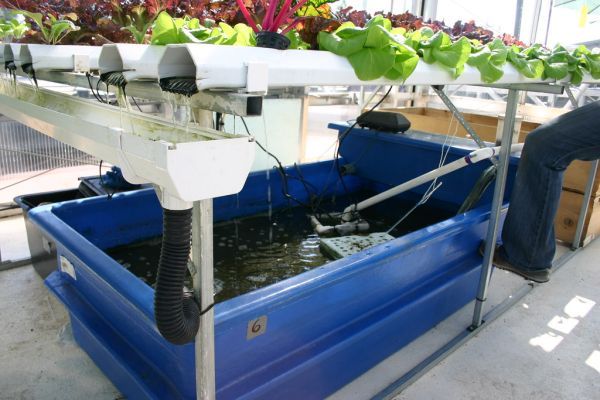
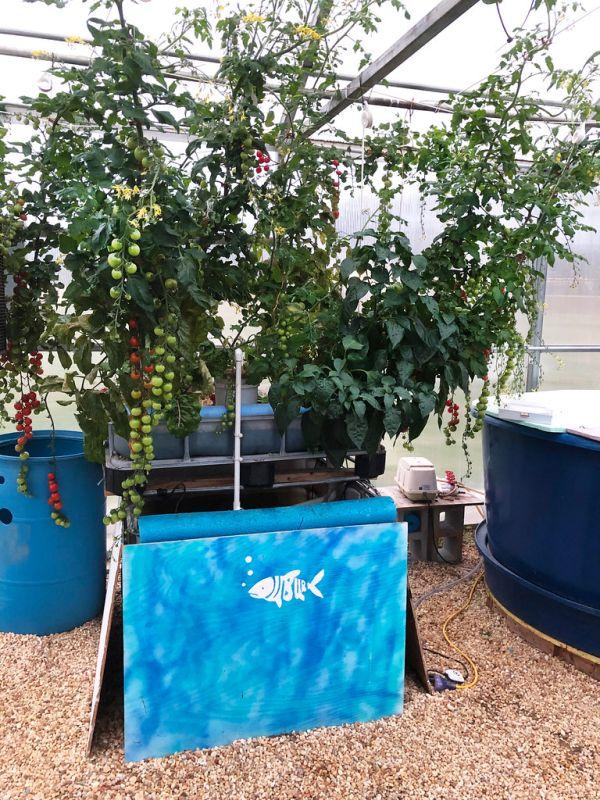
Real photos to give you an idea. Your gear may look different. Watch the videos below to see it working.
Which system? Seven ways to grow
| Type | How it works | Best for | Pump? | Power | Cost | Difficulty |
|---|---|---|---|---|---|---|
| Kratky | Roots hang in a still tank. As the water drops, an air gap opens at the top. | Lettuce, pak choi, herbs. The best first try. | No | None | Very low | Easiest |
| Wick | Rope or felt wicks pull nutrient water up to the plant’s growing mix. | Herbs and small plants in pots | No | None | Very low | Easy |
| Deep water culture (DWC, raft) | Plants sit in a lid or raft over a tank of water. An air pump bubbles the water. | Lettuce, kangkong, basil, and big plants in a bucket | Air pump only | 3–10 W | Low | Easy |
| NFT (nutrient film) | A thin stream of nutrient water runs along sloped pipes or channels past the roots. | Lettuce, herbs, pak choi, strawberries | Yes, non-stop | 15–40 W | Medium | Medium |
| Ebb and flow (flood and drain) | A tray of stones or clay balls floods, then drains, on a timer. | Mixed small crops, pots | Yes, on a timer | 15–40 W | Medium | Medium |
| Drip / Dutch bucket | Buckets of clay balls or coco are dripped with nutrient water. The extra drains back to a tank. | Tomato, capsicum, cucumber, chilli | Yes | 15–40 W | Medium | Medium |
| Vertical tower | Water is pumped to the top and trickles down a stack of pots or a pipe. | Small yards: lettuce, herbs, strawberries | Yes, non-stop | 15–40 W | Medium to high | Medium |
Start with Kratky or DWC. They are cheap and forgiving, and Kratky keeps working in a power cut because it has no pump.
Starter builds (what you need)
Kratky bucket or tote (no pump)
- A dark, food-grade bucket or tote with a lid (light makes algae)
- One 5 cm hole in the lid for a net cup (or a cut-down plastic cup with slits)
- Clay balls, coconut coir or rockwool to hold the seedling
- Nutrient solution to just touch the bottom of the cup at the start
- As the plant drinks, the water drops. Do not top up to the cup: the air gap is how the top roots breathe. Top up a little only for long crops like tomato.
Wick pot
- A pot of coir or perlite with a cotton rope wick through the bottom
- The pot sits over a tub of nutrient water; the wick dips in
DWC tote with an air pump
- A dark 20–50 L food-grade tote with a lid, or a 20 L bucket for one big plant
- 5 cm net-cup holes about 15–20 cm apart (lettuce)
- A small air pump (3–10 W), airline tube and an air stone
- Keep the water 1–2 cm below the bottom of the cups at first, so seedlings can drink
- Keep the bubbles on all day and night. A 30–50 L tote grows about 4–8 lettuces.
PVC pipe NFT for lettuce and herbs
- 75–100 mm PVC pipes (or square channel), 2 to 3 m long, with the ends capped
- Holes for net cups about 15–20 cm apart for lettuce (10 cm for herbs)
- Slope of about 1 in 30 to 1 in 40 (2.5–3 cm of drop per metre)
- Flow of about 1–2 L a minute into each channel, from a small submersible pump (10–25 W) in a dark 50–100 L tank under the low end
- A drain pipe back to the tank, and a lid on the tank. Keep the tank in the shade.
NFT stops fast in a power cut. With no flow, roots in a hot pipe dry out in an hour or two. Have a backup (battery, solar pump, or a bucket you can pour by hand).
Nutrients, water and heat
- Buy a hydroponic fertiliser, usually in two bottles (A and B). Mix to the label. Garden fertiliser and soil mixes are not right: they clog and leave the wrong balance.
- pH 5.5 to 6.5. Test with drops or a cheap pH pen. Go down with a little hydroponic “pH down”, up with “pH up”.
- EC or TDS meter (about US$15–30) tells you how strong the mix is. Lettuce likes a weaker mix than tomatoes: follow your fertiliser label.
- Top up with plain water when it drops. Change the whole tank every 2 to 3 weeks, or sooner if it smells or goes cloudy.
- Rainwater is great: low in salt and good for plants. Use tank water that has been covered and clean. Bore or well water in Aotearoa can be salty or hard, so test it (a TDS meter shows it).
- Heat is the big enemy. Keep the water below about 26–28 °C. Warm water holds less oxygen and roots rot (slimy brown roots). Shade the tank, bury it a little, paint it white or wrap it, and use 50% shade cloth over the plants at midday.
- Keep light out of the water: dark tanks, lids and covered pipes stop green slime (algae).
What to grow in Aotearoa
✅ Great
- Leafy greens: lettuce, pak choi (bok choy), Chinese cabbage, kangkong (water spinach), silverbeet
- Herbs: basil, mint, parsley, spring onion, coriander (in the cooler months)
- Fruiting plants in Dutch buckets or big DWC buckets: tomato, capsicum, cucumber, chilli, beans
❌ Don’t try
Root crops such as taro, kumala, yam and cassava don’t suit water systems. Keep growing those in the ground. Tall, heavy plants (like corn) are also not worth it.
Tip: lettuce and some herbs struggle in hot, humid weather. Kangkong, basil and pak choi cope better.
🐟 Aquaponics: add fish
Fish need clean water. Plants need food. Aquaponics joins them: fish waste feeds the plants, and the plants (with helpful bacteria) clean the water. You feed the fish; that is your only “fertiliser”.
The cycle, step by step
- You feed the fish. They make waste with ammonia, which is poison to fish.
- The first bacteria turn the ammonia into nitrite, also poison.
- The second bacteria turn nitrite into nitrate, which is safe for fish and is plant food.
- The plants drink the nitrate and the water goes back to the fish, clean.
The bacteria live on every wet surface: the grow bed stones, pipes and tank walls. They need air and no chlorine. Never switch off the air for long.
Three ways to build it
- Media bed: a tray of clay balls or gravel above the fish tank. A bell siphon makes it flood and drain by itself, with no timer. Easiest and the most popular; the stones are the filter.
- NFT: pipes like the hydroponic ones, but you must filter out fish solids first (a settling tank or filter), and add a biofilter.
- DWC / raft: plants on foam floats on a long tank. Great for greens. Also needs a solids filter, and lots of air.
Fish in New Zealand: ask first
- Tilapia is the usual aquaponics fish worldwide, and it is an invasive fish in many places. Never let any fish get into a creek, swamp or the sea.
- Ask first. Keeping fish for aquaponics may need approval, and we have not found a clear public rule for backyard tanks. Ask the Ministry for Primary Industries (MPI) which fish are allowed, and where fingerlings are legal and available.
- Freshwater crayfish (kōura) and other species: ask the same office. Don’t bring fish or eggs from overseas.
Numbers to start with
- Fish: about 10–20 kg of fish per 1,000 L of tank water (so 1 kg per 50–100 L). Start with less and grow into it.
- Feed: about 40–50 g of fish feed a day for each square metre of leafy-green grow bed (50–80 g for fruiting plants). Fish eat about 1–2% of their body weight a day.
- Example: a 1,000 L IBC fish tank plus a 1 m² media bed: about 15 fish of 500 g, and about 40 g of feed a day.
- Feed only what the fish eat in 5 minutes. Take out uneaten food.
Cycling a new system and daily checks
Cycle first (4 to 6 weeks)
- Run the water and pump with no fish for a day. Let tap chlorine blow off (rainwater is already fine).
- Add a little ammonia source (pure ammonia with no soap or perfume, or a pinch of fish food) every day to feed the bacteria.
- Test ammonia, nitrite and nitrate every 2 to 3 days. When ammonia and nitrite both read zero and nitrate shows up, the cycle is done.
- Add a few fish first, then more over weeks. Add plants anytime.
Check every day
- Fish: are they eating and swimming normally?
- Pump and air pump running, water flowing, nothing blocked
- Water temperature (tilapia like 25–30 °C)
- Once or twice a week: pH (aim for about 6.8 to 7.2, a middle ground for fish, bacteria and plants), ammonia and nitrite (both zero)
- Top up with rainwater for what the plants drank
IBC tank aquaponics (the popular build)
One 1,000 L IBC tank is cut in two: the bottom half becomes the fish tank and the top half, set on a frame, becomes the grow bed. This is the “IBC chop and flip”.
- 1 used IBC tank that held FOOD-GRADE contents only (never chemicals, fuel or pesticide). Wash it well and keep it away from sun with a cover or paint.
- Grow bed: the cut top half, filled 25–30 cm deep with washed clay balls or 10–20 mm gravel (coral rock must be washed well and can raise the pH)
- Frame or the IBC cage to hold the grow bed above the fish tank
- A bell siphon kit (standpipe, bell and media guard) from 25 mm and 50 mm pipe, so the bed floods and drains
- A small submersible pump (about 20–40 W) with a hose up to the bed, and a return pipe back to the fish
- An air pump and air stones in the fish tank
- A lid or netting over the fish tank (keeps out light, mosquitoes, leaves and birds, and fish in)
- A water test kit (pH, ammonia, nitrite, nitrate) and a thermometer
⚡ Power
- A small water pump is about 20–60 W. Running 24 hours: 40 W × 24 h = about 1 kWh a day. An air pump of 5–20 W is 0.1–0.5 kWh a day.
- Use the smallest pump that does the job. Flow only needs to be gentle. A timer can stop a media bed pump for part of the night.
- A 12 V solar pump kit (one panel, no battery) runs a pump in daylight. Add a battery and a small 12 V air pump for the night.
Size a solar system for your pumps → · Generator backup →
⚠️ Cyclones, pests and safety
- Before a cyclone: switch off the power, drain or lower the tanks, bring pots, pipes and nets under cover and tie down frames. Keep the fish tank covered and full if it is sheltered, with a battery air pump.
- Mosquitoes breed in still water. Cover tanks and buckets with lids or fine net. Fish eat the larvae, but tanks without fish need a lid.
- Rats, birds and cane toads: keep the tank covered and the plants netted.
- Food safety: wash your hands, wash the greens, use only food-grade plastic (look for the cup-and-fork mark or HDPE 2), and no treated timber (CCA) near the water.
- Electricity near water: use a safety switch (RCD), keep plugs and power boards off the ground and under cover, and make a “drip loop” (let the cable dip down before the plug so water runs off). Ask an electrician.
- Don’t put chemical sprays on plants or near fish (soap sprays and neem can kill fish).
Around the Pacific
- SPC set up an aquaponics demonstration unit in Suva, Fiji, and notes private aquaponics projects elsewhere in the Pacific.
- SPC and the Marine Resources Department of French Polynesia developed a small family aquaponics kit that aims at about 200 g of vegetables per person a day.
We could not find a public list of working aquaponics farms in New Zealand. If you run one, tell us and we will add it.
🎥 Easiest start: Kratky (no pump)
🎥 PVC, DWC and Dutch bucket builds
🎥 Hoocho: hydroponics made simple
A great hydroponics channel: Kratky, off-grid and no-electricity systems, plus tropical crops like pineapple. Visit the Hoocho YouTube channel ↗
🎥 Aquaponics: IBC build, bell siphon, cycling
Videos belong to their makers on YouTube. They only load when you tap them. Most are from overseas: check fish and electrical rules for Aotearoa.
Next: power your pumps with the sun ☀️
Pumps and air pumps are small. A little solar system can run them day and night.
Solar guide →